
2026's Green Shift: Plastic Bans Drive the Wooden Cutlery Boom in Sustainability
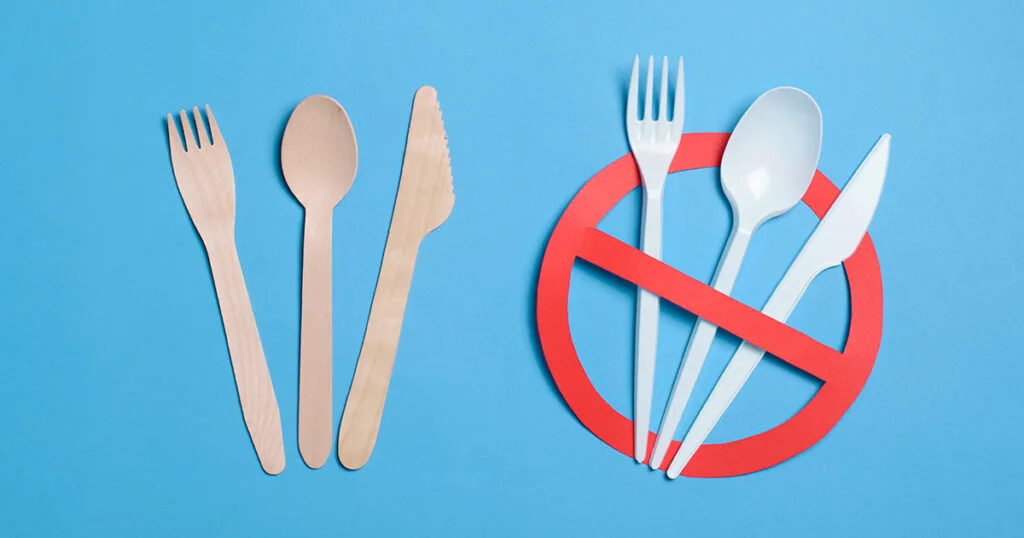
In a world increasingly focused on environmental responsibility, 2026 is shaping up to be a pivotal year for sustainable dining. With stricter plastic bans rolling out across the EU and multiple US states, the conversation around eco-friendly alternatives has exploded. At the forefront? Wooden cutlery – a natural, zero-waste hero that's transforming how we eat on the go. From bustling restaurants to delivery apps, the shift from plastic to wood is not just a trend; it's a necessity driven by regulations, consumer demand, and market growth. Let's dive into why wooden cutlery is dominating discussions this year and how it's paving the way for a greener future.
The Plastic Ban Upgrade: EU and US Lead the Charge
This year, regulatory pressures are intensifying, pushing industries toward sustainable swaps. In the European Union, the Single-Use Plastics Directive (SUPD) – building on bans since 2021 – continues to restrict disposable plastic items like cutlery, plates, and straws. The EU Deforestation Regulation (EUDR), now in full swing, adds another layer by ensuring wood-based products come from deforestation-free sources, impacting supply chains for wooden alternatives. This means businesses must adapt quickly, with fines looming for non-compliance.
Across the Atlantic, US states are following suit. New Jersey's proposed bill could ban single-use plastic utensils in restaurants unless requested, fining violators up to $1,000. States like California, Washington, and New York have expanded restrictions on plastic bags, foam containers, and utensils, effective from early 2026. These laws aren't just symbolic; they're reshaping the food service sector, where takeout and delivery platforms are scrambling to switch to compliant options. The result? A surge in demand for wooden cutlery, hailed for its "zero-waste" appeal in online forums and industry reports.
Why Wooden Cutlery Wins: The Zero-Waste Advantages
Amid the regulatory storm, wooden cutlery stands out as the ideal transition tool. Unlike plastic, which lingers in landfills for centuries, wood is fully biodegradable, breaking down naturally without harmful chemicals. It's durable enough for everyday use – think smooth birch forks that handle hot meals without splintering – and free from toxic additives, making it safer for families and the environment.
Social media is buzzing with "plastic vs. wood" comparisons: viral videos show plastic polluting oceans, contrasted with wooden utensils composting in weeks. Foodservice pros and consumers alike praise wood's natural feel and sustainability, especially in catering and outerwear-heavy industries. As one X user put it in a trending "2026 green upgrade" thread: "Switched to wooden spoons for my cafe – customers love the eco-vibe, and it's ban-proof!"
These perks align perfectly with global trends, where catering demand is the biggest driver for adoption. No wonder networks are filled with success stories of businesses thriving post-switch.
Market Explosion: Growth Projections and Opportunities
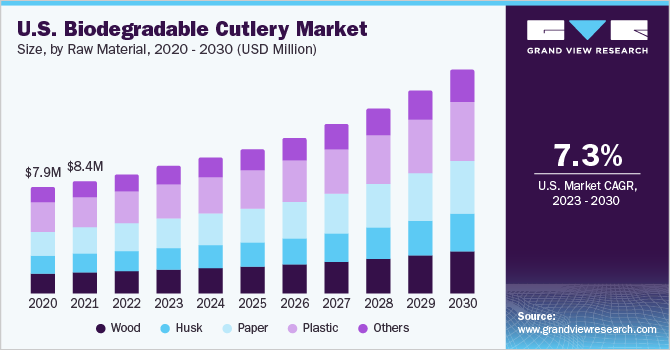
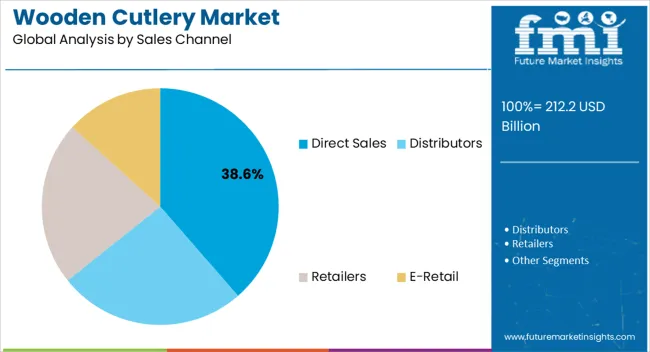
The numbers back up the hype. Market reports show the wooden cutlery sector valued at around USD 212.2 million in 2025, projected to soar to USD 339.1 million by 2035, with a compound annual growth rate (CAGR) of 4.8%. Some forecasts even predict up to 8.9% CAGR, fueled by bans and rising eco-consciousness. The foodservice segment leads, with spoons alone claiming nearly half the market share.
This growth isn't slowing down. As regulations tighten, expect more innovation – like FSC-certified birch sets that meet EUDR standards. For businesses, it's a chance to cut costs long-term while boosting brand image.
