
How to Soak Bamboo Skewers: A Complete Guide for Safe Grilling
When it comes to outdoor barbecues, garden parties, or even preparing simple oven-baked kabobs, bamboo skewers are a go-to tool. They’re eco-friendly, inexpensive, and ideal for holding everything from vegetables and meats to fruits and seafood. But if you've ever cooked with bamboo skewers before, you've probably faced a common problem—they burn too quickly on the grill or in the oven.
The solution? Soaking bamboo skewers before use. In this guide, we’ll cover why soaking is important, how long to soak them, step-by-step instructions, pro grilling tips, and answers to common questions to make your grilling experience easier and safer.
1.Why Soak Bamboo Skewers?
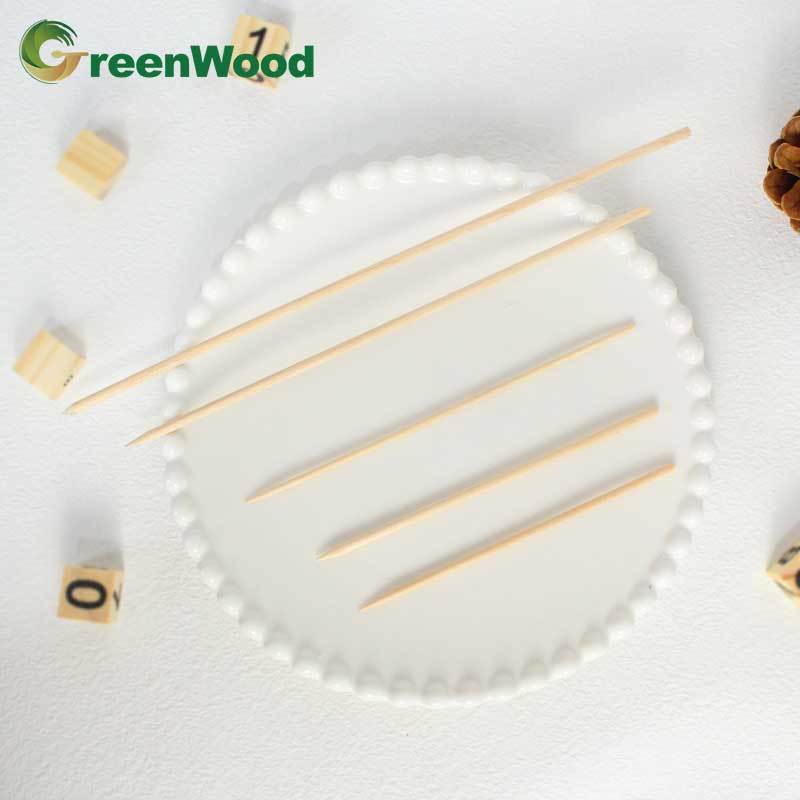

Soaking isn’t just a "nice-to-do"—it’s a crucial step for safe, successful grilling. Here are the core reasons:
• Prevent Burning & Fire Risks: Dry bamboo is highly flammable. Soaking saturates the skewers with moisture, slowing down combustion and avoiding dangerous flare-ups or charred, unusable sticks.
• Maintain Toughness & Avoid Breakage: Dry skewers become brittle under high heat, easily snapping and dropping your ingredients onto the grill. Soaked skewers stay flexible, holding even heavy loads without breaking.
• Lock in Moisture for Tastier Food: Moist skewers transfer subtle hydration to ingredients while cooking, preventing meats, veggies, or fruits from drying out and turning tough.
• Reduce Charred Flavor Transfer: Unsoaked skewers burn quickly, leaving a bitter, smoky charred taste on your food. Soaking minimizes this, letting your marinades and ingredients shine.
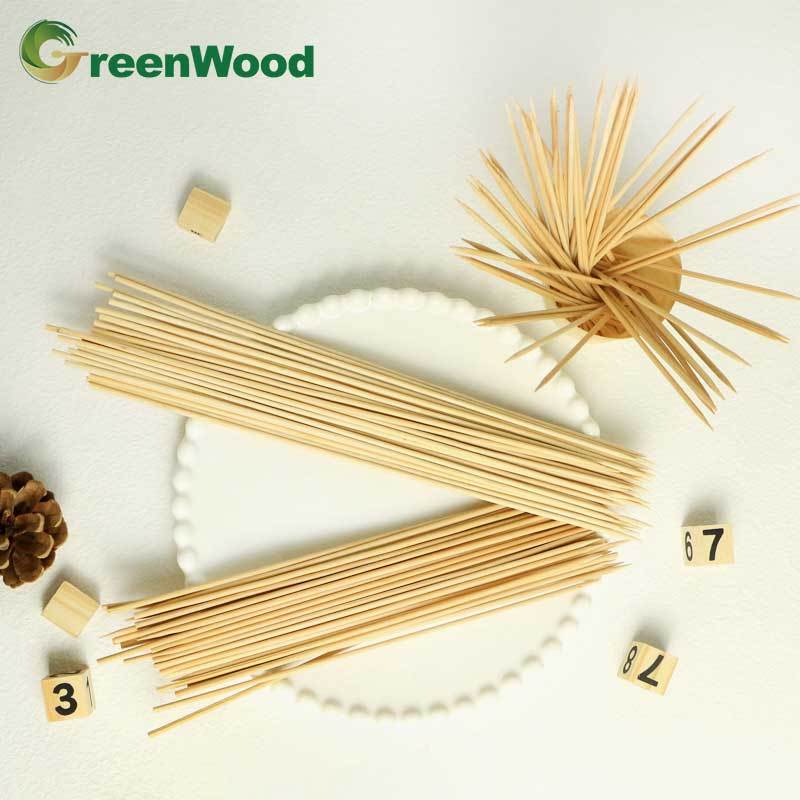
2. How Long to Soak Bamboo Skewers ?
The ideal soaking time depends on your schedule and grilling needs—here’s how to choose:
• 30 Minutes (Quick Backup): Perfect for last-minute grills. Skewers absorb enough moisture to avoid immediate burning, though they may dry out faster for long cooks.
• 2 Hours (Standard Soak): The sweet spot for most occasions. Balances time efficiency and performance, keeping skewers stable through 30–45 minutes of grilling.
• 4 Hours + / Overnight (Best for Long Cooks): Ideal for thick cuts of meat, large kabobs, or low-and-slow grilling. Skewers fully saturate, staying moisture-rich for hours and resisting burning even over sustained heat.
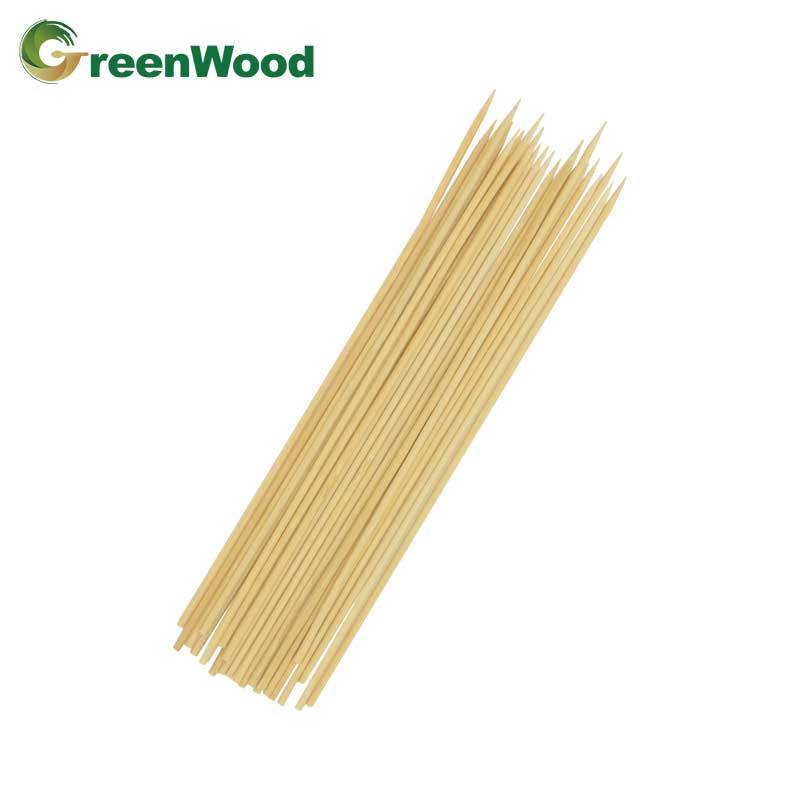
3. Step-by-Step Guide: How to Soak Bamboo Skewers
Step 1: Inspect & Sort the Skewers
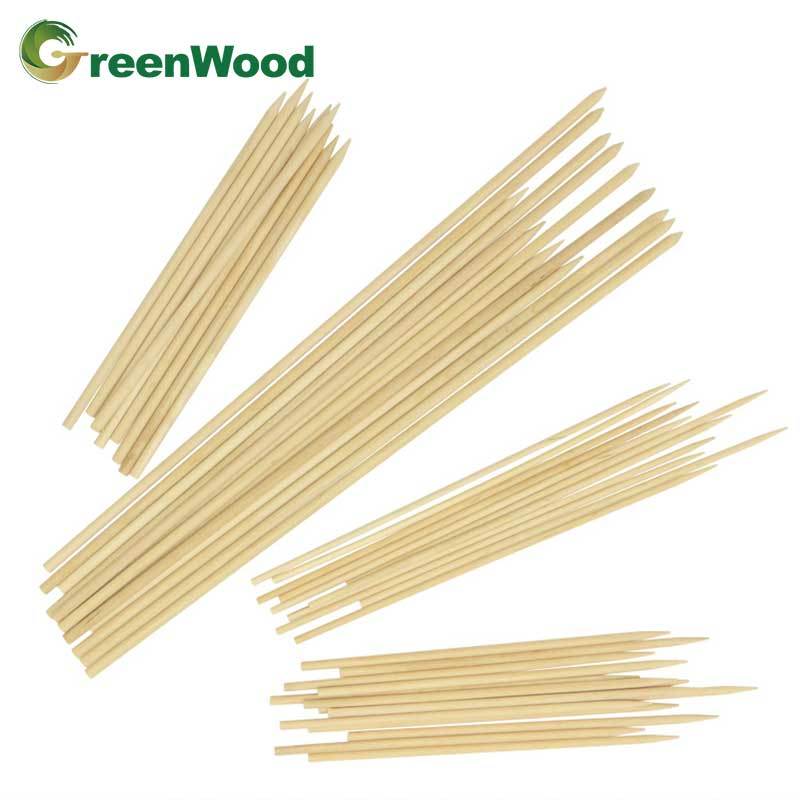
First, check for cracks, splinters, or broken tips—discard any damaged skewers to avoid ingredient contamination or breakage. Sort them by length to ensure even soaking.
Step 2: Choose a Suitable Container
Use a bowl, bucket, or baking dish large enough to hold all skewers flat. The container should be deep enough to submerge every skewer completely (no half-soaked sticks!).
Step 3: Fully Submerge the Skewers
Place skewers in the container and pour in cold water (room temperature works too—avoid boiling water, which can weaken the bamboo). Press down gently to ensure no skewer floats to the top; use a plate or weight to keep them submerged.
Step 4: Add Optional Enhancements (Optional)
For extra benefits, stir in 1–2 tablespoons of salt (boosts toughness) or a splash of vinegar (mildly inhibits bacteria). You can also add fresh herbs like rosemary or garlic for subtle flavor—just avoid oil-based additives (they increase flammability).
Step 5: Drain & Pat Dry Before Use
When ready to grill, remove skewers from the water and drain excess moisture. Pat the surfaces lightly with a paper towel—this prevents water from splattering when placed on the hot grill, while keeping the interior of the skewer moist.
4. Tips for Grilling with Bamboo Skewers
Soaking sets the foundation—these tips will make your kabobs perfect:
Pat Ingredients Dry Before Threading
Moist ingredients can slip off skewers. Pat meats, veggies, or fruits dry with a paper towel to help them adhere better.
Thread Ingredients Tightly
Leave minimal gaps between pieces to distribute weight evenly—this prevents skewers from bending or breaking under pressure. For large ingredients, pierce through the thickest part.
Preheat the Grill First
A hot grill (medium-high heat) sears ingredients quickly, locking in flavor. Cold grills cause ingredients to stick, which can pull skewers apart.
Rotate Skewers Regularly
Turn kabobs every 2–3 minutes to ensure even cooking and prevent one side of the skewer from overheating (and burning) faster than the rest.
Avoid Direct Flame Contact
If using a charcoal grill, keep skewers over indirect heat or move them away from large flames—even soaked skewers can burn if exposed to intense, direct fire for too long.
5. Conclusion
Soaking bamboo skewers is a simple yet game-changing step for safe, delicious grilling. By preventing burning, maintaining toughness, and enhancing food flavor, it turns a basic tool into a reliable cooking companion. Whether you’re grilling for a crowd or a quick weeknight meal, taking 30 minutes to 4 hours to soak your skewers will make all the difference in your kabob success. So grab your skewers, soak them properly, and enjoy hassle-free, tasty grilling!
6. FAQ About Soaking Bamboo Skewers
Q1: Can I soak bamboo skewers in warm water to speed up the process?
A1: Yes! Warm water (around 30–40℃) accelerates moisture absorption, cutting soaking time by 20–30%. Just avoid hot water, as it can soften the bamboo fibers.
Q2: Do I need to soak bamboo skewers if I’m using them in the oven?
A2: Absolutely. Oven heat (even at 180–200℃) will dry out unsoaked skewers, causing them to burn or break. Soak for at least 30 minutes for oven use.
Q3: Can I reuse soaked bamboo skewers?
A3: It’s not recommended. Used skewers may harbor bacteria from raw ingredients, and their structure weakens after soaking and cooking—they’re more likely to break or burn on subsequent use.
Q4: What if I forget to soak bamboo skewers? Is there a quick fix?
A4: For a last-minute fix, wrap the exposed ends of dry skewers in aluminum foil—this slows burning. Alternatively, spray skewers with water every 5 minutes while grilling, but this is less effective than proper soaking.
Q5: Does soaking bamboo skewers affect the flavor of the food?
A5: No—plain water soaking won’t alter food flavor. If you add salt, vinegar, or herbs to the soak, the flavor transfer is subtle and often enhances the dish.
