
The Complete Buying Guide for Wooden Tableware in 2026
As we step into 2026, the shift toward sustainable living is more urgent than ever. With global plastic bans tightening—from the EU's stringent regulations to state-level policies in the US—disposable wooden tableware has emerged as a practical, eco-friendly alternative. At GreenWood, we're passionate about crafting high-quality birch wood utensils that blend functionality with environmental responsibility. In this guide, we'll walk you through everything you need to know to make an informed purchase, focusing on material types, strength testing, environmental certifications, and true sustainability. No greenwashing here—just honest insights to help you choose products that genuinely benefit the planet.
Whether you're stocking up for events, restaurants, or everyday use, let's dive in and explore how to select the best wooden tableware without compromising on quality or ethics.
1. Understanding Material Types: Birch, Bamboo, Pine, and Beyond
The foundation of any great wooden tableware starts with the material. Not all woods are created equal, and in 2026, consumers are increasingly prioritizing renewable sources that offer both durability and minimal environmental impact. Here's a breakdown of the most popular options:
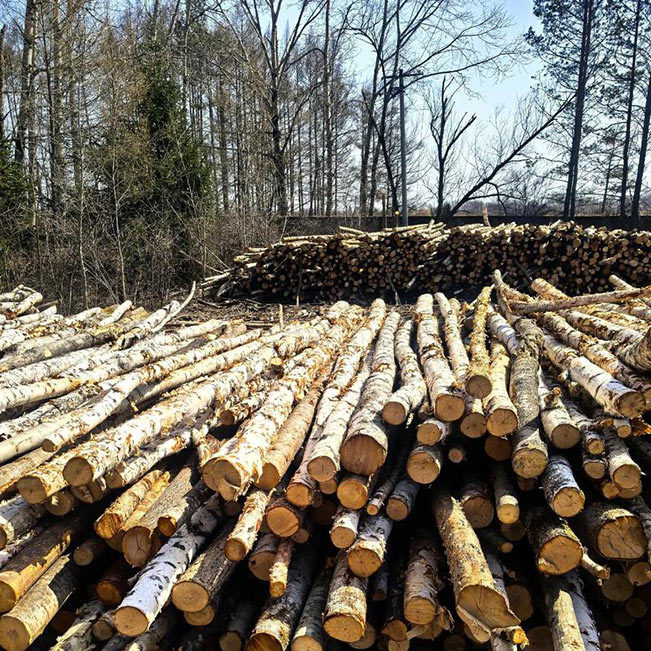
Birch Wood: Known for its smooth, light-colored finish and excellent strength, birch is a top choice for disposable cutlery. It's sourced from fast-growing trees, making it highly renewable. Birch utensils resist splintering and provide a premium feel, ideal for both casual and upscale settings. At GreenWood, we specialize in birch for its balance of elegance and eco-friendliness—perfect for forks, spoons, and knives that hold up during meals.
Bamboo: Technically a grass, bamboo grows incredibly fast (up to 3 feet per day!), making it one of the most sustainable options. It's strong, lightweight, and naturally antimicrobial, which adds to its appeal for hygienic use. Bamboo tableware often features a modern, sleek design and is great for those seeking an innovative edge. However, ensure it's not mixed with binders that could hinder biodegradability.

Pine: This wood brings a natural scent and textured appeal, often evoking a rustic vibe. Pine is softer than birch or bamboo, so it's better for lighter uses like stirring spoons rather than heavy-duty knives. It's renewable but requires careful sourcing to avoid overharvesting slower-growing forests.

When choosing, consider your needs: Birch for everyday reliability, bamboo for quick-renewal focus, and pine for aesthetic charm. Always opt for materials from responsibly managed sources to support forest economies without depletion.
2. Evaluating Strength and Durability: Tests to Trust
Disposable doesn't mean fragile. In 2026, with rising demand amid plastic bans, manufacturers are emphasizing robust designs. Look for products that have undergone real-world strength testing—think resistance to bending, cracking, or splintering under pressure.
Key Tests to Check: Reputable brands test for tensile strength (how much force it can withstand before breaking) and heat resistance (storage in high temperatures without warping). For instance, birch wood cutlery often excels here, holding up in hot soups or microwaves without issues. Avoid items that feel flimsy; smooth edges and uniform shapes prevent hand injuries and ensure a comfortable grip.
Practical Tips: Read user reviews or product specs for mentions of "splinter-free" or "heavy-duty." At GreenWood, our birch utensils are engineered for superior performance, passing rigorous tests to mimic real-life use—like cutting through dense foods without snapping.
Strength isn't just about longevity during a meal; it's about reliability that reduces waste from broken pieces.
3. Environmental Certifications: Ensuring True Sustainability
In an era of greenwashing, certifications are your best defense. Don't just take a brand's word—verify claims with third-party stamps that guarantee ethical practices.
FSC Certification: The gold standard for forestry. It ensures wood is harvested from responsibly managed forests, promoting biodiversity and fair labor. Look for this on birch or pine products to confirm they're not contributing to deforestation.
Compostability and Biodegradability: True wooden tableware should naturally degrade in soil or compost within months, leaving no microplastics behind. Certifications like ASTM D6400 (for compostable materials) or EN 13432 (European standard) prove this. Bamboo and birch shine here, breaking down fully without chemical additives.
Avoiding Greenwashing: Steer clear of vague claims like "eco-friendly" without backing. Insist on traceability—where was the wood sourced? Fast-growing species like birch and bamboo minimize impact, supporting local economies while regenerating forests quickly.
By prioritizing certified products, you're investing in items that truly align with 2026's ESG trends, reducing your carbon footprint without sacrificing convenience.
4. Procurement Tips: Where and How to Buy in 2026
Ready to shop? Here's how to navigate the market:
Compare Suppliers: Look at companies like Anzhu for bamboo options or Ancheng for birch-focused lines. For global reach, check platforms like Amazon or specialized eco-stores. Evaluate based on price, bulk options, and shipping—expect growth in demand, so order early.
Budget and Quantity: Entry-level sets start at $0.10 per piece, but premium certified ones go up to $0.30. Bulk buys save money; aim for FSC-certified packs for value.
Trends to Watch: With regulations evolving, focus on PFAS-free and traceable materials. In the US vs. EU, expect stricter compost standards abroad.
At GreenWood, our birch wood tableware ticks all these boxes—FSC-certified, fully biodegradable, and built to last. Check out our latest collections on our website for customizable options.
Final Thoughts: Make the Sustainable Switch Today
Choosing wooden tableware in 2026 isn't just about ditching plastic—it's about embracing a future where convenience meets conservation. By focusing on quality materials like birch, rigorous strength tests, and verified certifications, you ensure your purchases support natural degradation and sustainable forests. At GreenWood, we're committed to this ethos, producing utensils that are as kind to the earth as they are to your table.
Ready to go green? Visit our blog for more tips, or head to our shop for eco-friendly birch sets. Follow us on YouTube, LinkedIn, Facebook, and Instagram for video demos and behind-the-scenes looks at our sustainable processes. Let's build a greener tomorrow, one meal at a time!
